The Values That Guide My Practice

When people hear the word ethics, they often think about rules, compliance, or professional standards. Yes, those matter. But for me, work ethics goes deeper than that. It’s about the values that quietly shape the decisions I make every single week — especially the ones no one sees.
1. Quality Is Not an Accident — It’s Maintained
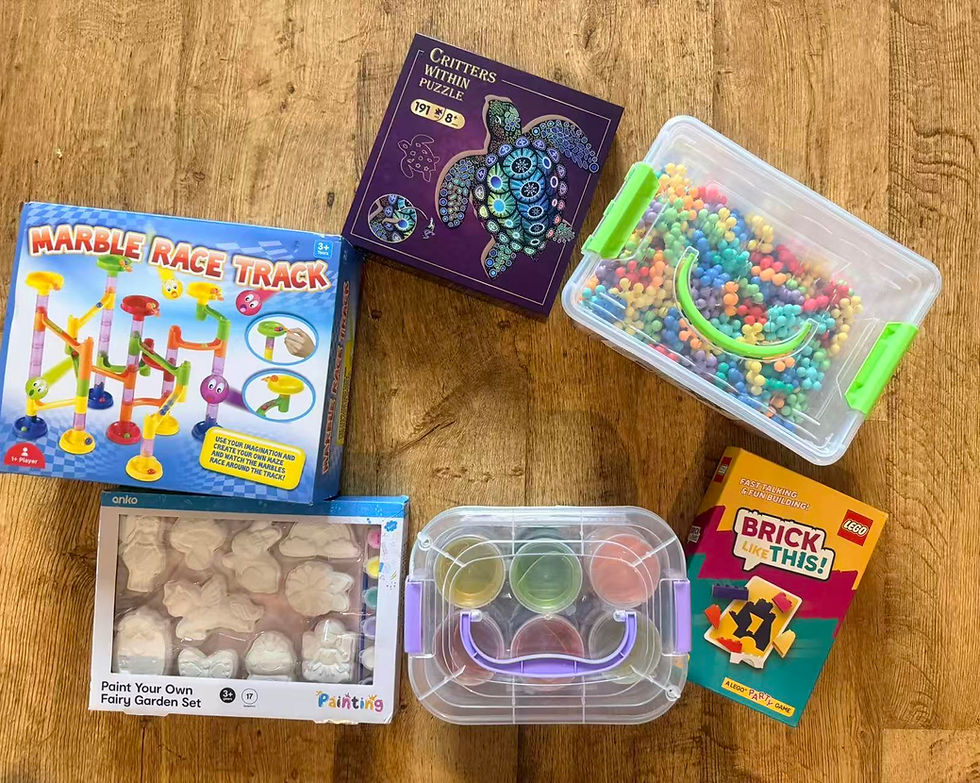
Over the weekend, I purchased new resources for the clinic. This is something I do every month.
I regularly:Invest in new therapeutic materials
Replace worn, broken, or unhygienic items
Rotate resources to keep sessions fresh and engaging
This isn’t glamorous work. It costs money. It takes time.
But hygiene matters. Presentation matters. Variety matters. For some children, novelty or repitition mater. Engagement matters.
If I want children to feel respected and interested in my space, the environment must reflect that.
2. Ethics Means Protecting Time for Quality
One of my core values is this: Direct session time is only one part of good therapy. I deliberately protect 20–30% of my working time for:
Administration
Communication
Professional development and training
Resource preparation
Reflection and planning
Most of this is done at my own cost.
I could book that time with more billable sessions. Many practitioners do.
But if I don’t think, plan, learn, prepare, and reflect — the quality of the work drops. And that’s not acceptable to me.
Ethics isn’t just about what happens in the room.It’s about what happens before and after the session too.
3. Charging — With Integrity, Not Opportunism
You may have seen services that charge for every single email, every SMS, every minute of communication.
Do I charge sometimes? Yes — when communication becomes extensive and takes significant time.
But I do not charge for every single interaction.
Because not every human exchange needs to be monetised.
Boundaries are important. Sustainability is important. But so is fairness, for both clients and myself.
For me, ethics means balance — not squeezing every possible dollar out of every possible interaction.
4. Saying “I’m Not the Best Fit”
This is one of the hardest — and most important — ethical commitments.
I have told families:
“I don’t think I’m the best fit for your child.”
“Another practitioner may be better suited.”
“Your child might need a different approach.”
Referring out is not a failure. It’s professional honesty.
My responsibility is not to keep every client. My responsibility is to ensure the child gets the support that truly fits.
5. Reducing Services When It’s Appropriate
Ethics also means not over-servicing.
I have told families:
“We don’t need weekly sessions — fortnightly is enough.”
“You’re already well-supported; you may not need to see me.”
“Let’s step down rather than continue unnecessarily.”
More sessions are not automatically better.
More funding used does not equal better outcomes.
Support should match need — not habit.
Integrity is what you do when no one would notice if you stayed quiet.
6. Over-Servicing Is Not Ethical
In the current climate, especially within funding systems, it’s easy to justify “more.”
But over-servicing can:
Create dependence
Drain funding unnecessarily
Crowd out other supports
Reduce a family’s capacity to build independence
Unless families want to intentionally adjust their level of support, I don’t believe in providing more than what is needed means "better support".
Ethics means asking: Is this truly helpful?
So What Is Work Ethics?
For me, work ethics means:
Investing in quality even when it costs me
Protecting unseen preparation time
Charging fairly
Referring out when appropriate
Reducing services when client is ready to explore independance
Being transparent about money
Choosing integrity over convenience
It’s not loud. It’s not performative. It’s often invisible. But it shapes everything.
I am deeply grateful for the trust families place in me.The best way I can honour that trust is simple:
To keep showing up with integrity — and to keep doing my best.
引导我实践工作的价值观
当人们听到“职业道德”这个词时,往往会想到规则、合规或专业标准。是的,这些都很重要。但对我来说,职业道德远不止这些。它关乎那些在日常工作中,悄然影响我每一个决定的价值观——尤其是那些别人看不见的部分。
1. 质量不是偶然 —— 而是被持续维护的
这个周末,我为诊所添置了一些新的资源。这是我每个月都会做的事情。
我会定期:
买新的文具和玩具
更换磨损、损坏或不卫生的物品
轮换资源,让每次会谈保持新鲜与吸引力
这并不是光鲜亮丽的工作。它需要成本,也需要时间。但卫生很重要。环境呈现很重要。多样性很重要。对有些孩子来说,新鲜感很重要;对有些孩子来说,重复同样重要。投入感更重要。如果我希望孩子们在我的空间里感到被尊重、被吸引,那么环境本身就必须体现这种尊重。
2. 职业首先意味着为“服务质量”预留时间
我核心价值观之一是:面对面的会谈时间,只是优质服务的一部分。
我会刻意保留20–30%的工作时间,用于:
行政事务
沟通联络
专业进修与培训
资源准备
反思与规划
这些大多数都是我自行承担的成本。我完全可以把这些时间排成更多可收费的会谈。很多从业者都会这样做。但如果我不去思考、规划、学习、准备与反思——服务的质量一定会下降。而这是我无法接受的。职业伦理不仅仅体现在治疗室里的那一个小时。它也体现在会谈前后那些看不见的工作里。
3. 收费 —— 以诚信为前提,而非机会主义
你或许见过一些服务机构,对每一封邮件、每一条短信、每一分钟沟通都收费。我会收费吗?有时候会——当沟通变得大量且确实占用了很多时间。但我不会为每一次互动都计费。因为并不是每一次人与人之间的交流,都必须被货币化。
界限很重要。可持续发展很重要。但公平同样重要——对客户,也对我自己。对我而言,找到平衡点很重要,而不是从每一次沟通中都获得收益。
4. 告诉客户“我可能不是最适合的治疗师”
这是最困难,却也是最重要的伦理承诺之一。
我曾对客户说过:
“我可能不是最适合您孩子的治疗师。”
“也许其他治疗师更合适。”
“您的孩子可能需要不同的方式。”
转介不是失败,而是专业。我的责任不是留住每一位客户。我的责任是确保孩子和家庭得到真正合适的治疗和服务。
5. 在合适的时候减少服务
职业道德也意味着避免过度服务。
我曾告诉家庭:
“我们不需要每周会面——两周一次已经足够。”
“您已经有很好的支持系统,可能暂时不需要继续见我。”
“我们可以逐步减少,而不是不必要地持续。”
更多的会谈次数,并不自动等于更好的效果。更多的经费使用,也不等于更好的结果。支持应当匹配实际需求,而不是出于习惯。
诚信,是选择说实话。
6. 过度服务并不符合职业道德
在当前的环境下,尤其是在有资助体系的情况下,很容易为“更多”找到理由。
但过度服务可能会:
造成依赖
不必要地消耗资金
挤压其他支持资源
削弱家庭建立独立能力的机会
除非家庭有意识地想调整支持强度,否则我不认为“更多”就等于“更好”。
伦理意味着不断自问:这真的对孩子有帮助吗?
那么,什么是职业道德?
对我而言,职业伦理意味着:
即使需要自我承担成本,也坚持投入质量
保护那些看不见的准备时间
公平合理地收费
在合适时转介他人
当客户准备好时减少服务、鼓励独立
保持信息透明度
在方便与诚信之间,选择诚信
不张扬。不表演。往往是无形的。但它塑造了一切。
我由衷感激家庭对我的信任。而我能回馈这份信任的方式很简单:
持续以诚信出现——并且始终尽我所能。


Comments