🌿 Why do I pay for a clinical space when I could be paid to travel to schools and homes?

Here’s the honest answer.
With funding getting tighter, many families simply can’t afford to spend a big portion of their plan on travel costs. Others have told me they’d much rather use their funding for actual therapy time — direct support, capacity building, or extra sessions — instead of paying for me to sit in the car. And honestly, that makes complete sense. Every hour spent on travel is an hour that could have gone directly to their child.
On the otehr hand, travel fees have been reduced and capped. Time on the road is often underpaid — some time even not paid. Long commutes between sessions mean fewer children I can actually support in a day. With recent NDIS funding cuts, many practitioners are quietly struggling to stay financially sustainable. I personally know several organisations and sole practitioners who have had to close their businesses.
The truth is simple:if practitioners can’t sustain their work, families lose services.
Having a clinical space isn’t about convenience or anything fancy. THE RENT IS EXPENSIVE!
It’s about sustainability — for both practitioners and participants.
It allows me to:
• reduce travel time
• keep fees fair and lower for families who shouldn’t have to pay extra for practitioner travel
• and offer long-term, consistent support
But this decision isn’t just financial — it’s also clinical. Sometimes,
I prefer not to pull children and young people out of their well-deserved school breaks just to squeeze in appointments.
Not every home or school can provide a therapy-friendly environment.
Some children are trying to regulate while:
• siblings or peers are running around
• TVs are on
• classrooms are noisy or doing something more appealing than a therapy session
• activities around them are far more distracting than therapy
• or there simply isn’t a quiet, safe corner
For many kids — especially those with sensory sensitivities, anxiety, ADHD, or autism — that’s already half their energy gone before therapy even begins. A calm, predictable, low-stimulus space can make a huge difference.
In a clinic setting, we can offer:

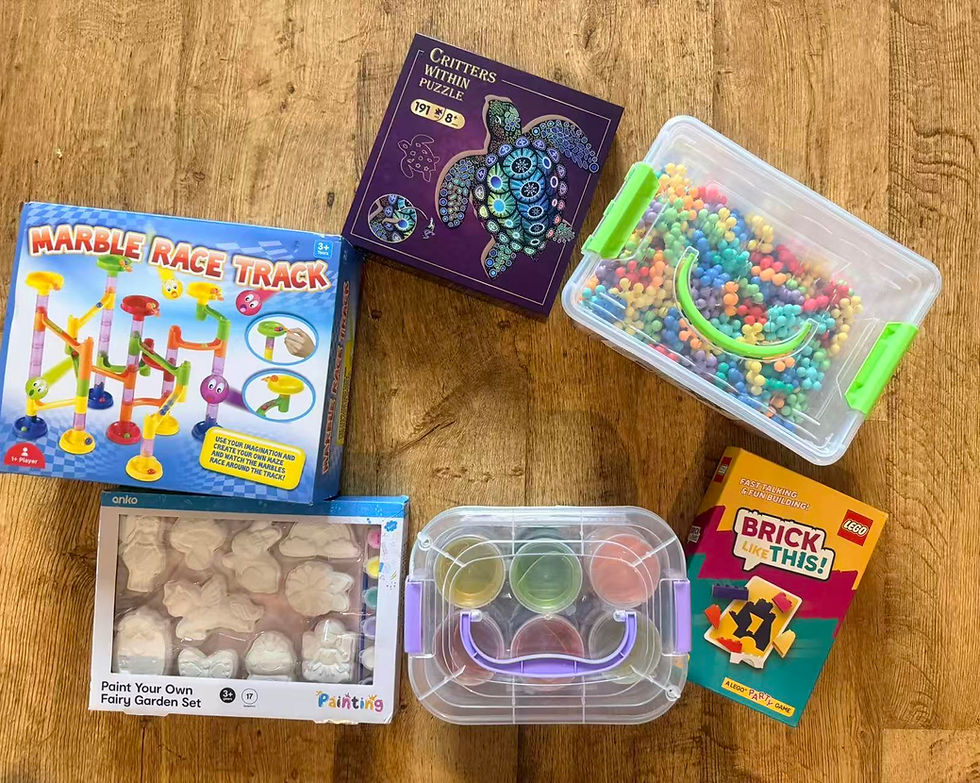
• a sensory-friendly environment
• fewer distractions
• structured or child-led play opportunities
• emotional safety
• and consistent routines
And sometimes, children actually engage more deeply outside of home or school — because it’s neutral ground. No expectations. No triggers. Just space to learn, play, and feel safe.
Take a virtual tour of my office: https://www.facebook.com/reel/1469821620987022
Of course, home and school support still matters. That will always remain a core part of my work — especially for behaviour support. Seeing children in their natural environments helps me understand their world, their stressors, and why behaviours happen.
But having a dedicated clinical space means we can choose what works best, rather than being limited by logistics. At Tranquil Trails Counselling & Therapy, the goal has never been “more sessions.” It’s about flexibility. It’s about sustainability. It’s about doing what truly serves the best interests of the children and families I work with: the right environment, the right support, at the right time.
Because therapy works best when both participants and practitioners are set up to succeed. 🌿
说实话:房租真的很贵!
随着经费越来越紧张,很多家庭根本负担不起把大量的 NDIS 资金花在交通费上。也有家长直接告诉我,他们更希望把钱真正用在“治疗本身”——例如一对一支持、能力建设或增加治疗次数——而不是付钱让我坐在车里通勤。
说真的,这完全可以理解。每一小时花在路上的时间,原本都可以直接用在孩子身上。
另一方面,现在的交通费用被削减、被设上限。很多通勤时间报酬偏低,甚至有些时间是没有报酬的。长时间往返不同地点,也代表我一天能支持的孩子更少。再加上近期 NDIS 资金缩减,许多从业者都在默默承受财务压力。我亲眼见过好几家机构和个体执业者不得不关闭服务。
现实很简单:如果从业者无法维持生计,家庭最终就会失去服务。
拥有一个临床空间,并不是为了方便或“高大上”。而是为了「可持续发展」——对从业者如此,对参与者也是如此。
但这个决定不仅仅是财务考量,更是专业与临床上的考虑。
有时候,我并不想在孩子难得的课间或休息时间把他们拉出来赶治疗。也不是每个家庭或学校都能提供适合治疗的环境。
对于许多孩子——尤其是有感觉敏感、焦虑、ADHD 或自闭症特质的孩子——光是环境刺激,就已经消耗掉一大半能量。一个安静、可预测、低刺激的空间,真的能带来巨大的不同。
当然,家庭和学校支持仍然非常重要。这始终是我工作的核心部分——特别是在行为支持方面。
在孩子熟悉的自然环境中观察和工作,能让我更好理解他们的世界、压力来源,以及行为背后的原因。
但拥有一个固定的临床空间,代表我们可以选择最适合的方式,而不是被交通和现实条件限制。
在 Tranquil Trails Counselling & Therapy,我的目标从来不是「做更多次」。
而是:✨ 更有弹性✨ 更可持续✨ 有选择权✨ 在对的时间、对的环境,提供对的支持
因为当孩子和专业人员都在合适的状态下,治疗才真正有效。 🌿


Comments